
Understanding Diaphragmatic Breathing Fundamentals
Master the foundation of deep breathing by engaging your diaphragm properly. Learn where box breathing fits into a comprehensive breathwork practice.
A four-count breathing pattern you can practice anywhere. Perfect for quick stress relief during busy workdays without disrupting your schedule.
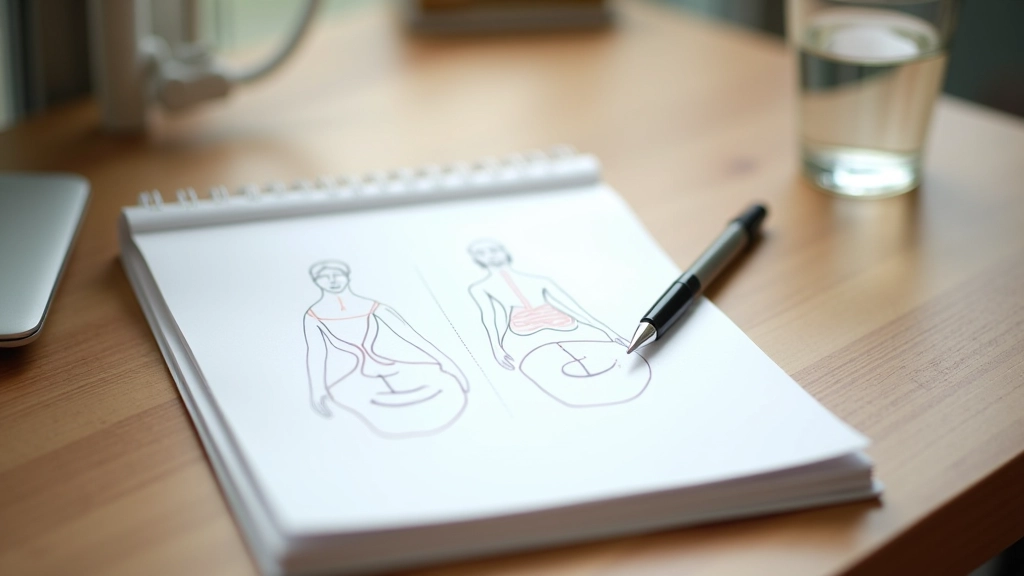

Box breathing—also called square breathing—is one of the simplest yet most effective techniques you can use at work. It’s a pattern where you breathe in, hold, breathe out, and hold again for equal counts. Most people use four counts for each phase, though you can adjust based on what feels comfortable.
The beauty of this method is that it works quickly. You don’t need special equipment, a quiet room, or even five minutes. Three to four cycles of box breathing can shift your nervous system from fight-or-flight into a calmer state. That’s why it’s become so popular with professionals who need immediate relief during hectic days.
The technique itself is straightforward, but getting it right matters. Here’s how to do it properly:
Breathe in slowly through your nose, counting steadily: one, two, three, four. Fill your lungs gradually—don’t rush or gasp. This is the foundation of the whole pattern.
Once your lungs are full, keep the breath inside. Hold it steadily for four counts without tension. This pause lets your nervous system settle and activates your parasympathetic response.
Release the breath slowly through your mouth, counting again: one, two, three, four. The exhale should feel longer and more relaxing than the inhale. Many people find this is where they really feel the stress dropping away.
After exhaling completely, pause again for four counts. Your lungs are now empty. This final hold creates the balanced “box” pattern. Then start the cycle again.
Repeat this four-count cycle three to five times. That’s roughly two to three minutes total. Most people notice their shoulders dropping and their jaw unclenching after just two or three complete cycles. You don’t need to push yourself—this works best when it feels natural and gentle.
When you’re stressed, your breathing becomes shallow and rapid. Your nervous system reads that shallow breathing as a threat, so it stays on high alert. It’s a feedback loop that keeps you tense.
Box breathing interrupts that loop. The equal counts—especially the longer holds—signal safety to your body. The parasympathetic nervous system activates, your heart rate slows, and cortisol levels drop. You’re not forcing relaxation. You’re giving your body the information it needs to relax on its own.
At work specifically, it’s brilliant because it’s discreet. You can do it at your desk, in a meeting, or even in the bathroom during a break. Nobody needs to know you’re doing anything. No awkward explanations. Just breathing.

The best time to practice is before you actually need it. If you can build the habit during calm moments, it’ll be much easier to use when stress hits. Here are practical moments when box breathing is especially useful:

The four-count pattern is a great starting point, but you’re not locked into it. Some people find four counts too long at first. If that’s you, start with three counts instead: in-three, hold-three, out-three, hold-three. As you practice, you can gradually extend to four or even five counts.
What matters isn’t the exact number—it’s the equal rhythm. The balance between inhale, hold, exhale, and hold is what creates the calming effect. Experiment and find what feels right for your body.
Some people naturally find the exhale is longer than four counts, which is fine. Listen to your body. The best breathing pattern is the one you’ll actually use.
This article provides educational information about breathing techniques. It’s not medical advice. If you have respiratory conditions, anxiety disorders, or other health concerns, consult with a healthcare professional before beginning any new breathing practice. Box breathing is a self-regulation tool, not a treatment for medical conditions.
You don’t need special training or equipment to start using box breathing. You just need to practice it once. Try it right now—just three cycles. Most people feel the difference immediately. That calmness you experience? That’s real. It’s your nervous system responding to the pattern.
The key is consistency. Practice it when you’re calm, so it becomes automatic when you’re stressed. Within a week of regular practice, you’ll find yourself naturally turning to box breathing when tension builds. It becomes a reliable tool you carry with you everywhere.