

What Is the Diaphragm?
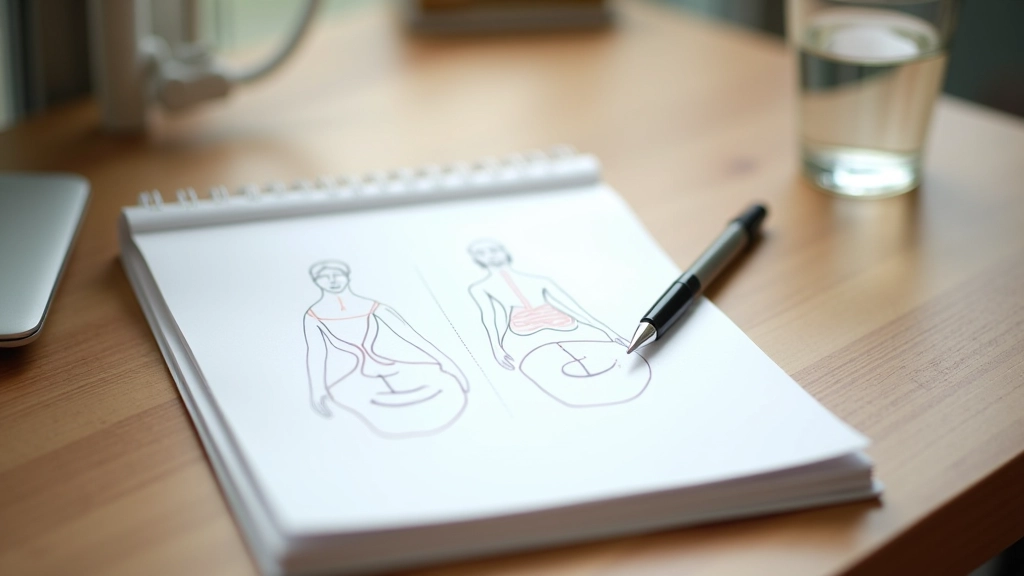
Your diaphragm isn’t some mysterious muscle you’ve never heard of — it’s actually the main breathing muscle in your body. It’s a dome-shaped muscle that sits beneath your lungs and above your stomach. When you breathe properly, your diaphragm does most of the work, not your chest or shoulders.
Most of us have fallen into chest breathing habits. You’re stressed, rushed, sitting at a desk all day — your shoulders creep up, your chest tightens, and your diaphragm basically takes a nap. The problem? This shallow breathing signals to your nervous system that something’s wrong. Your body stays in fight-or-flight mode even when there’s nothing to fight.
Learning to engage your diaphragm changes everything. It’s not complicated, but it does require a bit of practice to rewire what your body’s been doing for years.
How to Find Your Diaphragm
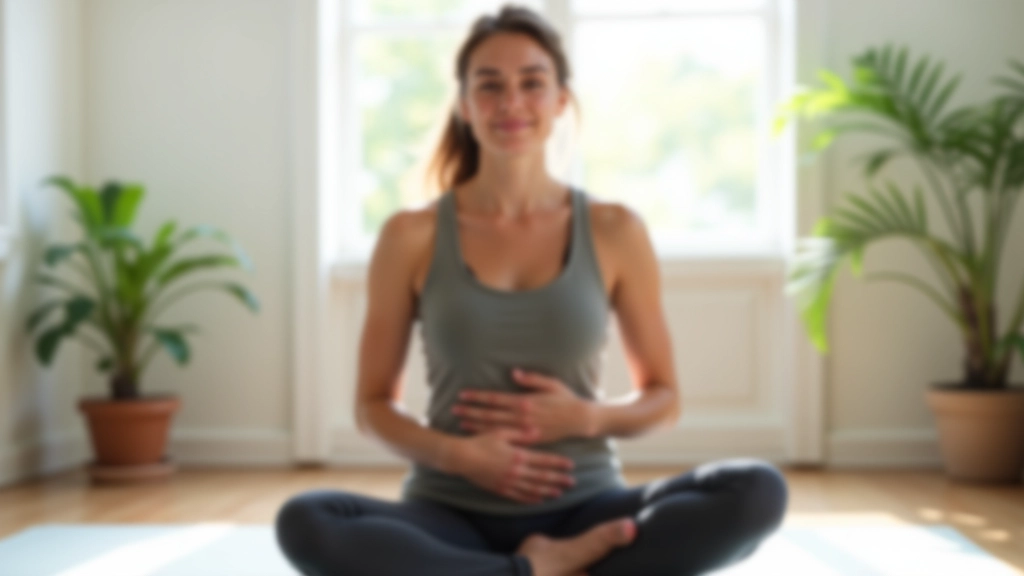
You don’t need fancy equipment or special training to feel your diaphragm working. Here’s the simplest way to start:
- Sit upright in a comfortable position. Your spine should feel relaxed but supported.
- Place one hand on your chest and one hand on your belly, just below your ribcage.
- Breathe in slowly through your nose. Your belly hand should move outward while your chest hand stays relatively still.
- Exhale through your mouth. Feel your belly naturally fall inward.
That outward belly movement? That’s your diaphragm contracting and moving downward, creating space for your lungs to expand. You’ve just done diaphragmatic breathing. Now it’s about making it a habit.
Why Most People Get This Wrong
The biggest mistake? Forcing your belly out artificially. Diaphragmatic breathing isn’t about making your stomach stick out — it’s about letting your body naturally expand when air enters your lungs. Don’t push. Let it happen. Your diaphragm does the work; you just get out of the way.
The Three-Part Breath Technique
Once you’ve got the basic movement down, you can add structure. A three-part breath helps you build awareness of different areas and deepen your practice. It takes about 5 minutes to run through it once.
First, you’re breathing low into your belly — that’s your diaphragm fully engaged. Then you’re breathing into your rib cage, expanding sideways. Finally, you’re breathing into your chest and shoulders. All in one smooth inhale. The exhale reverses: chest relaxes first, then ribs, then belly.
You’ll notice your mind quiets down after a few rounds. That’s not coincidence — this type of breathing directly activates your parasympathetic nervous system, the one that calms you down.


Integrating Diaphragmatic Breathing Into Your Day
The real value of diaphragmatic breathing isn’t in doing it once. It’s about making it your default. Start small — pick one moment in your day when you’ll practice: your morning coffee, a work break, or right before bed.
Spend 3 minutes doing diaphragmatic breathing. Not 20 minutes. Three minutes is enough to shift your nervous system state and remind your body what proper breathing feels like. After about 2 weeks of consistent practice, you’ll notice you’re naturally breathing this way more often, even without thinking about it.
The key is consistency over intensity. A few minutes daily beats an occasional longer session.
Common Questions Answered
How long until I notice changes?
Most people feel calmer immediately after a 3-5 minute session. Within a week of daily practice, you’ll likely notice you’re less reactive to stress. After 4 weeks, you’ll have retrained your baseline breathing pattern.
Can you do this while lying down?
Yes. Actually, lying on your back with knees bent is perfect for learning. Gravity helps your diaphragm move. Once you’ve got it down, you can practice sitting, standing, or even walking.
Is there a “wrong” way to do this?
The main mistake is forcing it. If you’re straining or feel dizzy, you’re probably breathing too deeply or too fast. Slow down. Let your body guide the pace. Diaphragmatic breathing should feel natural, not strained.
Educational Information
This article provides educational information about diaphragmatic breathing techniques. It’s not medical advice and shouldn’t replace guidance from qualified healthcare professionals. If you have respiratory conditions, anxiety disorders, or any health concerns, consult with your doctor or a qualified breathwork practitioner before starting a new breathing practice. Everyone’s physiology is different, and what works well for one person might need adjustment for another.
The Foundation for Everything Else
Diaphragmatic breathing isn’t flashy. You won’t feel like you’re doing something advanced. But that’s exactly why it works — it’s simple, it’s natural, and your body already knows how to do it. You’re just remembering how.
This foundation opens the door to box breathing, extended exhale techniques, and all the more structured methods. But even on its own, proper diaphragmatic breathing is a powerful tool for stress management. Start today. Three minutes. That’s all it takes to begin rewiring your nervous system response.