Science & Wellness
How Your Nervous System Responds to Controlled Breathing
Understanding the science behind why breathing techniques work so well for stress relief and nervous system regulation


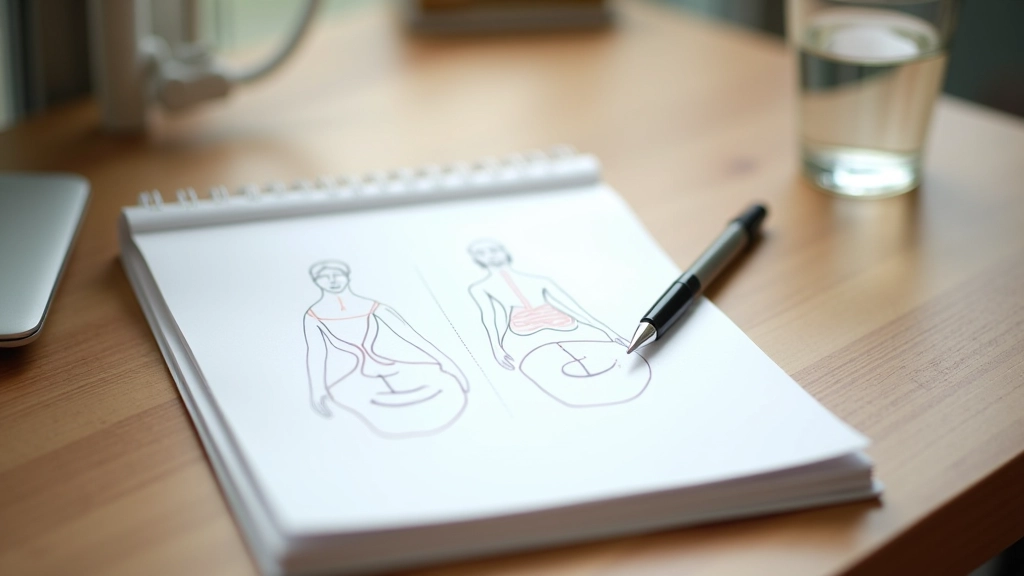
Ever noticed how your shoulders drop when you take a deep breath? That’s not just a physical response — it’s your nervous system literally changing gears. When we control our breathing, we’re sending direct signals to the vagus nerve, which acts like the body’s brake pedal for stress.
The thing is, most people think breathing is automatic and unchangeable. But it’s actually one of the few functions that bridges your conscious and unconscious mind. You can’t consciously lower your heart rate directly, but you absolutely can through breathing. That’s the power we’re exploring here.
Your Two Nervous Systems at War (And How Breathing Stops the Fight)
Your nervous system has two main modes. The sympathetic nervous system is your gas pedal — it speeds up your heart rate, tenses your muscles, and sharpens your focus. That’s great when you’re facing an actual threat. But most of us are running on sympathetic overdrive just dealing with emails and meetings.
The parasympathetic nervous system is the opposite. It’s the rest-and-digest mode. Your heart slows down. Your digestion improves. Your mind quiets. And here’s the key: you can’t activate it through willpower alone. You activate it through the vagus nerve.
The Vagus Nerve is Your Control Switch
When you breathe deeply and slowly — especially with a longer exhale — you stimulate the vagus nerve directly. This sends a signal that says “we’re safe now” and triggers parasympathetic activation. It’s not metaphorical. It’s literal nerve stimulation.

Why Extended Exhale Breathing Works Better Than You’d Think
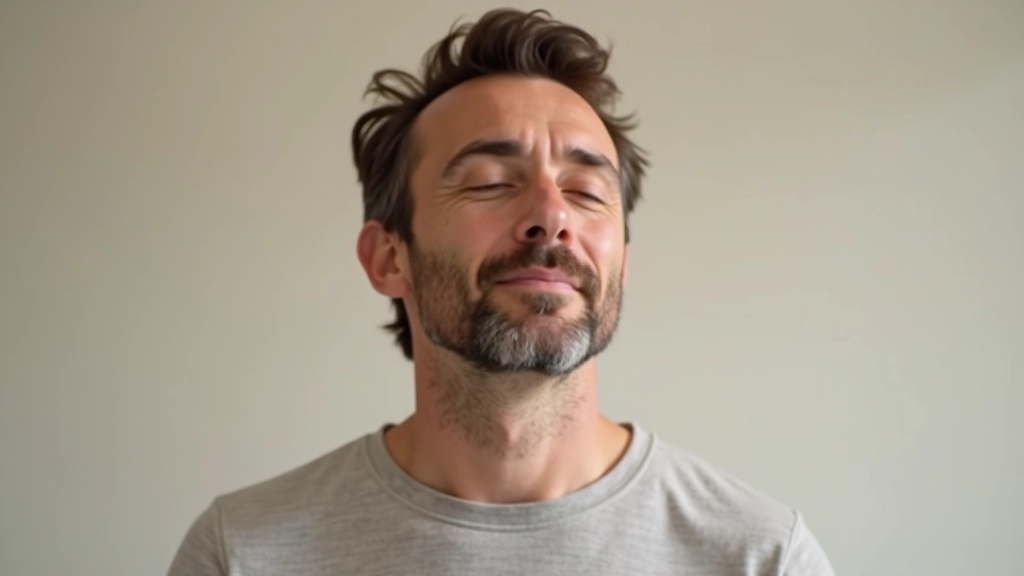
Not all breathing patterns are equal. The length of your exhale matters enormously. When you exhale longer than you inhale — let’s say a 4-count inhale and 6-count exhale — something specific happens. The vagus nerve gets stimulated more powerfully.
It takes about 5-6 minutes of this pattern before you notice real changes. Your heart rate actually drops. Your blood pressure lowers slightly. Your shoulders stop being your ears. Most people feel a noticeable shift by week two of consistent practice.
1
Inhale for 4 counts
Slow, controlled breath in through your nose
2
Hold for 2 counts
Brief pause — don’t force it
3
Exhale for 6-8 counts
This is where the magic happens. Longer exhale = stronger vagal tone
Heart Rate Variability: The Hidden Measure of Calm
Here’s something most people don’t know about. It’s not just your absolute heart rate that matters. It’s the variability between beats. When you’re stressed, your heart beats at a more consistent, rigid pace. When you’re calm, there’s actually more variation — and that’s good.
Regular breathing practice increases your heart rate variability. This is measurable. Some people use apps to track it. But honestly, you don’t need technology. You’ll just feel better. Your mood stabilizes. You sleep better. You react to frustrations differently.
The research is solid here. Studies from universities in Ireland and the UK show consistent results. People who practice extended exhale breathing for just 5 minutes daily show measurable improvements in HRV within 2-3 weeks. That’s not marketing — that’s documented physiology.

Important Note on Health & Medical Information
This article is educational information about breathing techniques and nervous system function. It’s not medical advice, and it shouldn’t replace consultation with qualified healthcare professionals. If you’re managing anxiety disorders, panic attacks, cardiac conditions, or taking medications that affect your heart rate, speak with your doctor before starting any new breathing practice. Some breathing patterns can interact with certain medications or conditions. Breathing techniques are a tool — they work best alongside proper medical care when needed.

Putting It Into Practice During Your Workday
You don’t need 30 minutes or a quiet room. Five minutes is enough to shift your nervous system state. During a tense meeting? Two minutes of extended exhale breathing will noticeably calm your stress response. Before a difficult conversation? Three minutes of 4-6-8 breathing resets your baseline.
The key is consistency, not perfection. We’ve worked with hundreds of professionals who’ve built this into their routines. Some do it first thing in the morning. Others use it as a work-break ritual. The timing matters less than the regularity.
Your nervous system learns patterns. When you practice controlled breathing regularly, your body starts recognizing the pattern and prepares the parasympathetic response before you even finish the first cycle. That’s nervous system training in action.
Your Breathing is Your Anchor
The nervous system responds to breathing because evolution wired us this way. Your breath connects directly to survival mechanisms. When you control your breath, you’re telling your nervous system “we’re safe.” And that message is literally felt throughout your body within minutes.
You don’t need to understand all the neuroscience to benefit. But understanding it helps. It removes the mystique and makes breathing practice feel like what it is — a legitimate physiological tool backed by real science.
Start small. Five minutes of extended exhale breathing tomorrow morning. Notice what happens. Your shoulders will drop. Your mind will quiet. That’s your nervous system responding exactly as designed.